Sleep, Aging, and What Isn’t “Just Getting Older”
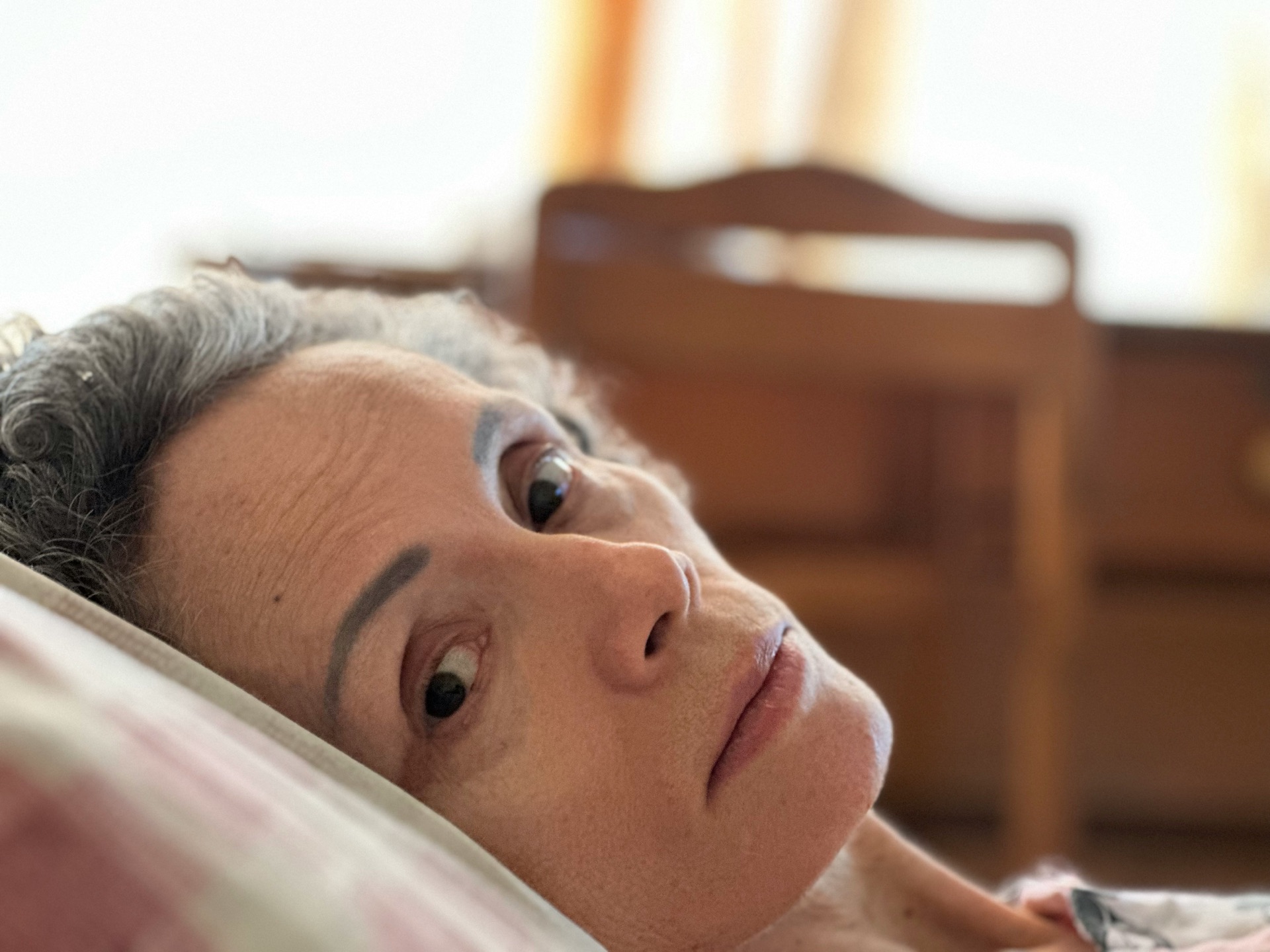
You used to sleep through the night. Now you wake more easily, struggle to fall back asleep, or start your day before you feel rested. When you mention it, the explanation often sounds simple: “That happens as you get older.”
Age can help explain changes in sleep. But it should not end the conversation. Persistent difficulty sleeping deserves attention, particularly when it affects your mood, concentration, or daily life.
How does sleep change with age?
As we age, sleep often becomes lighter and more fragmented. Our internal clock may also shift earlier, making us feel sleepy earlier in the evening and wake earlier in the morning. These changes vary between individuals. Older adults generally still need around seven to nine hours of sleep each night. 1
Waking earlier after sufficient, refreshing sleep is different from waking earlier than intended, being unable to return to sleep, and spending the day exhausted. Understanding that difference requires looking at both your nights and your daytime functioning.
A change in your sleep pattern does not automatically mean you have insomnia. It also does not mean every sleep difficulty should be attributed to age.
When might it be insomnia?
Insomnia involves difficulty falling asleep, staying asleep, or returning to sleep after waking too early, despite having adequate opportunity and circumstances for sleep. It also affects how you feel or function during the day. When these difficulties occur at least three nights a week for at least three months, they may meet criteria for chronic insomnia. A clinical assessment establishes the diagnosis. 2
You do not need to wait three months to ask for help.
An assessment can also identify other contributors. Pain, medications, sleep apnea, and restless legs may interfere with sleep as we grow older. 1 During perimenopause and menopause, hot flashes and night sweats can disrupt rest. These symptoms deserve attention alongside any ongoing difficulty sleeping. 3
Why mental health belongs in the conversation

Stress and worry can make sleep more difficult. After repeated difficult nights, worry about sleep itself may become part of the problem: anticipating another sleepless night, watching the clock, or calculating how little time remains before morning. These patterns can contribute to ongoing insomnia. 4
Insufficient sleep can also make it harder to regulate emotions, concentrate, and cope with everyday demands. Irritability or feeling overwhelmed may become more noticeable. 5
A useful assessment explores sleep alongside changes in mood, anxiety, health, and daily circumstances. Having an explanation for your distress should lead to appropriate care, rather than an expectation that you simply tolerate it.
What can I do?
- Describe the pattern. Explain whether the difficulty is falling asleep, staying asleep, or waking too early—and how it affects your day.
- Bring the full context. Mention changes in mood, physical symptoms, medications, and routines. This helps guide evaluation.
- Ask about treatment for insomnia. If difficulty sleeping persists, ask whether cognitive behavioral therapy for insomnia, or CBT-I, is appropriate.
CBT-I is a recommended first-line treatment for chronic insomnia. It addresses thoughts and behaviors that maintain sleep difficulties, using strategies such as adjusting time in bed, strengthening the association between bed and sleep, and reducing worry about sleep. Treatment should be tailored to your health and circumstances. 6
It also goes beyond general advice about caffeine, screens, or bedtime routines. The American Academy of Sleep Medicine recommends against using sleep hygiene alone as treatment for chronic insomnia. 7

Your sleep may look different than it did years ago. There is still room for improvement. Understanding what has changed—and addressing the factors that can be treated—can help you move toward more restful nights and better days.
References
- National Institute on Aging. Sleep and Older Adults.
- National Heart, Lung, and Blood Institute. Insomnia.
- National Institute on Aging. Sleep Problems and Menopause: What Can I Do?.
- National Heart, Lung, and Blood Institute. Insomnia: Causes and Risk Factors.
- National Heart, Lung, and Blood Institute. How Sleep Affects Your Health.
- National Heart, Lung, and Blood Institute. Insomnia: Treatment.
- Edinger JD, et al. Behavioral and psychological treatments for chronic insomnia disorder in adults: An American Academy of Sleep Medicine clinical practice guideline. Journal of Clinical Sleep Medicine. 2021;17(2):255–262.
